


Photography and Making Bedouin Histories in the Naqab, 1906-2013: An Anthropological Approach
Thu 09 Apr
|OPEN SESSION
with author Dr Emilie Le Febvre (McGill University)
—
09 Apr 2026, 19:00 – 23:00 WEST
OPEN SESSION
—
OPEN SESSION
Photography and Making Bedouin Histories
in the Naqab, 1906-2013
An Anthropological Approach
with author
Dr Emilie Le Febvre
McGill University, Canada
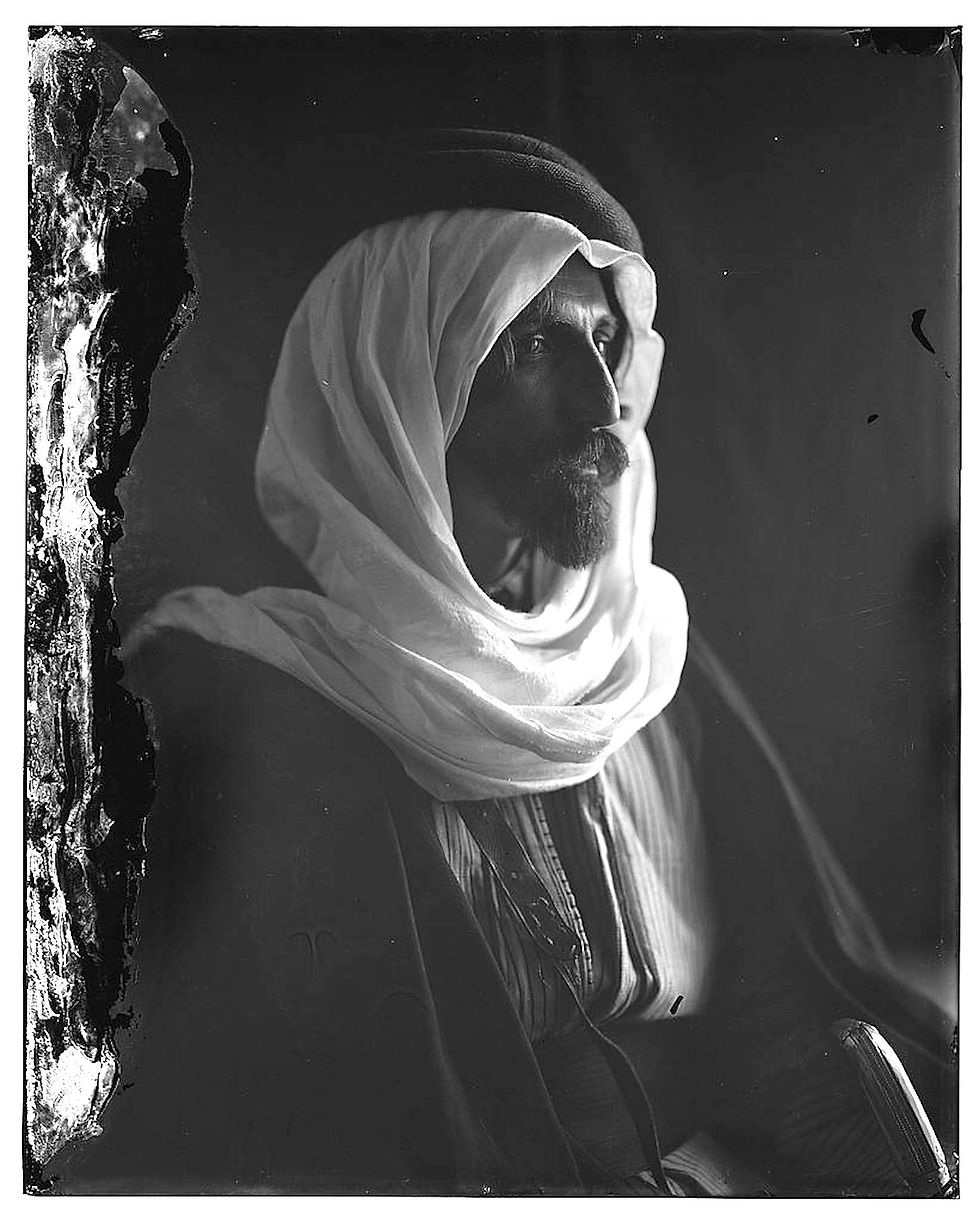
Introducing a novel anthropological study of photography in the Middle East, Emilie Le Febvre argues Bedouin presentations of the past are selective but increasingly reliant on archival documents such as photographs which spokespersons treat as evidence of their local histories amid escalating tensions in Israel. These practices shape Bedouin visual historicity, that is the diverse ways people produce their pasts in the present with images. These processes are then charted through the afterlives of six photographs (c. 1906–2013) as they circulate between the Naqab’s entangled visual economies – a transregional landscape organised by cultural ideals of proximity and assemblages of Bedouin iconography. Le Febvre illustrates how representational contentions associated with tribal, civic, and Palestinian-Israeli politics influence how images do history work in this society. She concludes Bedouin visual historicity is defined by acts of persuasion during which photographs authenticate alternating history projects. Here, Bedouin value photographs not because they evidence singular narratives of the past. Rather, the knowledges inscribed by photography are multifarious as they support diverse constructions of history and society with which members mediate a wide range of relationships in southern Israel.

This book is ‘a truly original exploration of how the Bedouin of the Naqab have used the unique qualities of photographs to turn them into “objects of historical persuasion' to evidence their longstanding presence in the region”. Dawn Chatty, University of Oxford
This study is a major contribution to the growing body of scholarly literature on the history of photography in Palestine… James Downs, Photographica World

Dr Emilie Le Febvre is a Researcher at McGill University, Head of Research and Arts at PLEDJ, and the co-founder of the Interactive Ethnography and Arts Initiative. She holds a DPhil in Anthropology from the University of Oxford. Her research draws on visual, digital, and material culture, archives, storytelling, and ethnographic fieldwork to document how Bedouin and other tribal societies represent themselves and their histories. Her recent ethnography, Photography and Making Bedouin Histories in the Naqab, 1906-2013: An Anthropological Approach (2023), was recently published by Routledge’s Special Series: Photography, History: History Photography.